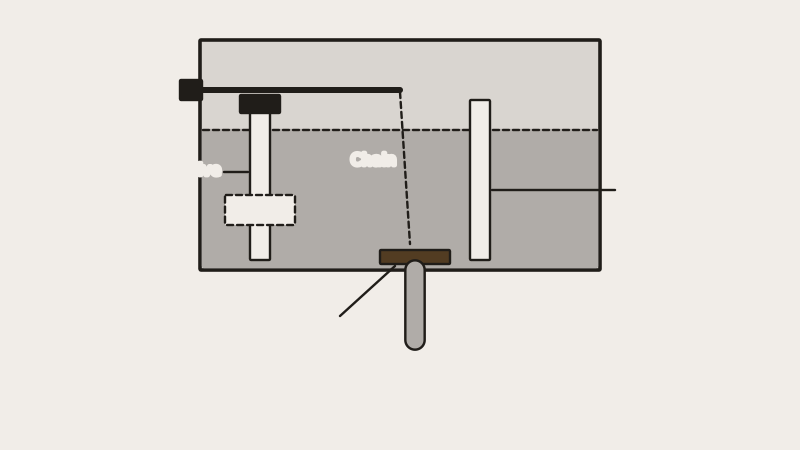
Lift the lid and you will find the whole flushing system in one box: a handle with a chain, a rubber flapper over a big drain opening, a fill valve and a float. A toilet that runs on after you flush usually has a tired flapper or a float riding too high. A weak flush points to the chain, the water level or clogged rim holes. Our toilet repair plumber page covers in-person help, and the quote form is the way to book one.
Where is the water going when a toilet runs after the flush?
Usually water slips from the tank straight to the bowl around a worn flapper, or the fill valve cannot close because its float sits too high. Either way the tank refills over and over, and you hear trickling or hissing well after the flush. A ten-minute dye test separates the two.
Tint the tank water with a little food coloring and leave the room. EPA WaterSense recommends this test: if the bowl turns colored within ten minutes and nobody has flushed, the flapper leaks. Flush soon after so the dye cannot stain. Bowl still clear but the sound goes on? Lift the float by hand. If the hiss quits, the float needs adjusting and nothing more. For a fuller walkthrough read the full guide to a running toilet.
What does a failing flush valve look like, and can I fix it?
The flush valve is the wide opening in the tank floor that the flapper plugs. Once its rim is pitted, scaled or cracked, even a new flapper cannot seal on it. Scrub the seat with a green scouring pad and test again before buying anything. If the rim is cracked, the answer is a complete flush valve kit, which replaces the seat and overflow tube.
That kit means emptying the tank, unbolting it from the bowl, lifting it away and fitting the new valve and gaskets. Corroded tank bolts sometimes snap, so a hacksaw blade and a patient afternoon help. Water in Pasadena is hard, 202 to 256 parts per million in the city utility's report for 2025, and the crust that forms on the seat is a common reason valves leak here. Rusted-solid hardware is a good moment to hand the job over.
My flapper looks fine but will not seat. What now?
Replace it anyway. Flappers are cheap rubber discs that warp, harden and slime over with sediment after a few years, and a flapper that looks fine can still leak at a point you cannot see. Shut the supply, flush the tank empty, unclip the old one from the ears on the overflow tube and the chain, then press the new one in place.
Size is the trap. Flush valves come in two-inch and three-inch openings, and a flapper made for the other size will drip. Carry the old one into the store, or read the brand and model off the inside of the tank lid. Drop-in chlorine tablets eat rubber quickly, so leave them out. The model-by-model details live in toilet flapper repair.
How do I repair a handle that is loose, stiff or not lifting the flapper?
Look at the chain before the handle. Too long, and the flapper never lifts fully. Too short, and it never seats. Leave about a finger-width of play. A lever that spins loosely needs its holding nut tightened, but that nut is reverse-threaded, which means clockwise loosens it. A bent or corroded arm is replaced with a new handle, which costs little.
Adjust one link at a time and flush after each change. A flush that starts strongly but quits early usually means the chain is pulling the flapper closed too soon. Swapping only the handle is an easy win, and the cost of replacing a whole toilet shows how much smaller that job is.
What causes a hissing, slow or overflowing fill valve?
A worn seal inside the fill valve, debris lodged in it or a float set wrong. The float tells the valve when to quit. If the tank water climbs above the overflow pipe, lower the float. If the valve keeps running even when the float is at its lowest, the valve is finished, and a replacement kit takes about fifteen minutes.
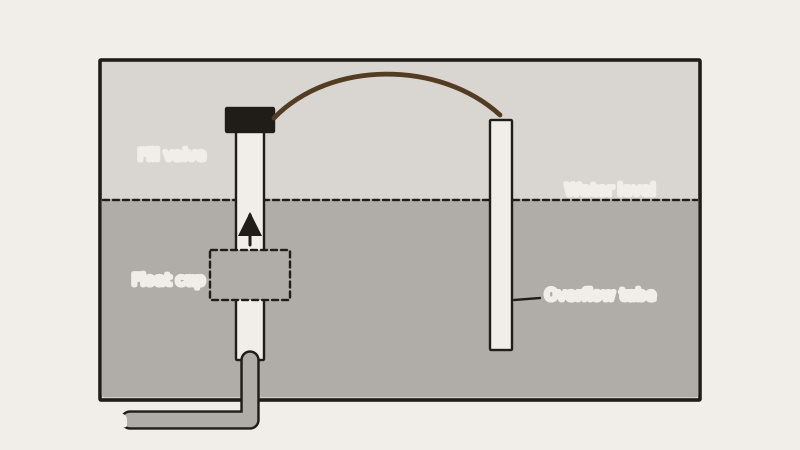
Compare the water with the line molded into the tank, normally close to an inch below the overflow pipe's rim. A tank that refills unprompted every few minutes is losing water past the flapper. To swap a fill valve you need the supply off, and so the stop valve beneath the tank has to work. Seized ones are covered in toilet repair shut-off valve, and that work belongs to a plumber.
At what point does a flush problem need a plumber?
Bring one in if the stop valve is stuck, the porcelain has cracked, the bolts are frozen, the toilet rocks, water shows up on the floor, or fresh parts did not cure the problem. Leaks at the base mean the wax ring or flange, and reaching them means lifting the entire toilet.
Tank-part repairs sit far under the $1,000 line above which California wants a contractor who carries a state license, so owners may handle them. Replacing the toilet is a bigger project, priced on the toilet replacement cost page. EPA WaterSense limits labeled toilets to 1.28 gallons for each flush, which means an old one that keeps swallowing parts may be cheaper to retire.
Common questions
What makes a flush feeble?
Three culprits stand out: a short chain, a tank level below the fill line, and mineral scale plugging the tiny jets beneath the bowl's lip. Fix the level and chain first. Then poke the rim holes clear with a small wire or brush. If the weakness stays, the drain line itself may be partially blocked.
What do the parts cost?
At a hardware store a flapper costs a few dollars, a fill valve about $10 to $40, and a flush valve kit a bit more. Most owners finish in an hour. A plumber prices the same repair as a small job, with the written quote setting the number. The page on replacing a toilet shows the larger comparison.
Will a running toilet show up on my water bill?
It can, and the leak is often silent, so nobody notices for weeks. Run the dye test before you suspect anything bigger. If the bill still looks odd after the repair, the high water bill guide lists other suspects, and a fixed flapper often fixes the extra use right away.
Can I use drop-in cleaning tablets in the tank?
Skip them. Chlorine and similar tablets soften rubber flappers and seals, and a rotted flapper starts leaking within months. Clean the bowl from above with a brush and cleaner instead, and let the tank hold plain water only. Seals last noticeably longer that way.
Is shutting off the water a must?
For nearly every repair here, yes. Close the small valve at the wall or floor, flush the tank empty and sponge out what is left. Swapping a fill valve also means disconnecting the supply line. If that little valve will not budge, use the house main.
More of what we arrange appears on the Pasadena Pipe Works home page.
Sources
Page updated